The Hidden Life of Trees by Peter Wohlleben

The Hidden Life of Trees cover

The Hidden Life of Trees by Peter Wohlleben is a fascinating read, an absolute must read for anyone interested in natural history/trees/gardening. The author has worked in Germany as a forester for decades and his observations are supplemented by lots of research from scientists around the world.

I must admit that I’ve always been squeamish when it comes to pruning and cutting back trees and plants as I’ve long thought that it can’t be a nice experience for these living entities, and it turns out that I was correct. But there’s a lot more going on than even I suspected. Apparently trees can communicate with each other via their roots, and they even support each other when any trees in the vicinity are in need of extra care. They can send extra nutrients via their roots to those in need, even to different species, they sound more generous spirited than many humans. It has been discovered that the ends of roots have tiny brain-like nodules, it sounds to me like there’s an awful lot about trees still to be discovered. When they are under attack from pests they can signal a warning to nearby trees and that makes them deploy a chemical that makes their leaves unpalatable to the pests.

He goes on to explain why trees planted by humans often end up struggling to survive, compared with the natural plantations that have developed over hundreds of years. Without the vital nutrients that build up in the soil naturally over the years it’s difficult for the trees to survive and grow as they should. Trees like to be in communities, most of them thrive in family groups and it seems they have personalities of their own just as people do. Some give up the ghost in adversity whilst others are more determined and fight off attacks.

It was a surprise to me that beech trees are thuggish, often planting themselves close to other species and then overtaking them in growth causing their eventual death by shading them out and grabbing most of the water. I think this might happen in Germany where the author is a forester and beech forests seem to be common. In Britain they are more commonly used as specimen trees I think, often not too close to other trees – unless they killed them all a hundred years or so ago!

Inevitably beasties, fungi and viruses are wreaking havoc on trees all over the world, in fact when you realise how many dangers there are for trees it seems quite amazing that any of them survive to a great age at all.

Trees scream apparently, which unnerves me, especially as the local council here seems to be determined to cut down any tree which isn’t in perfect condition, ignoring the fact that they often overcome their problems.

Surprise surprise – it seems that many of the processes carried out by the forestry/logging companies in forests do much more harm than good. But I was absolutely shocked when the author mentioned that even he might be causing harm as he visits multiple forests on a daily basis – without even changing his footwear between visits!!

I know that botanic gardens in the UK have thick disinfectant mats that visitors have to walk through before getting into the gardens, in an effort to keep viruses at bay. It might seem pointless when spores are just as likely to be wind blown or delivered via birds’ feathers, but you have to try to do anything you can to keep them out.

I know I first read about this one in the Guardian Review but I decided I had to read it after Stefanie at So Many Books had so enjoyed reading it, you can read her thoughts here.

I borrowed this book from the library, I’ve had to wait seven months to get it although I was only the third person to borrow it, so someone must have hung on to it for months. But what enraged me was that one of those previous readers had turned down the page corners – often every three pages or so, I reckon that over a third of the pages have been disfigured in this way, and not just a teeny fold, often with the corner being folded right into the inner edge of the book!

Honestly, I don’t believe in capital punishment – but if I ever discover who did that ….. they’re for it!
The Scottish Crannog Centre at Kenmore

It was our 41st (yes that’s not a typo, but I don’t know how that happened!) wedding anniversary earlier in the month and we decided to celebrate by driving 50 miles north to the wee village of Kenmore. Previously we had just briefly looked at Kenmore as we drove through it on the way back from a holiday in the Highlands.
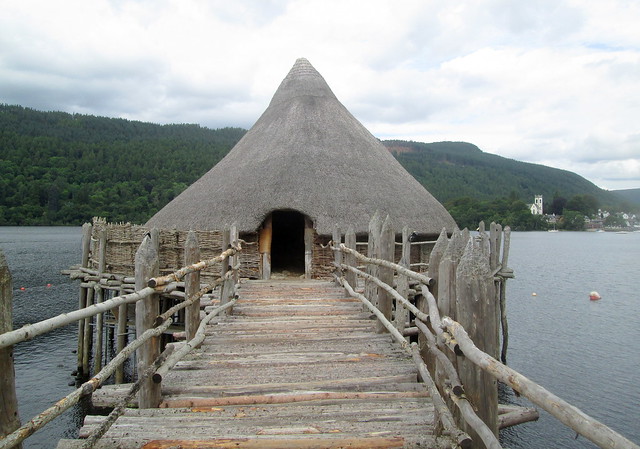
Loch Tay Crannog
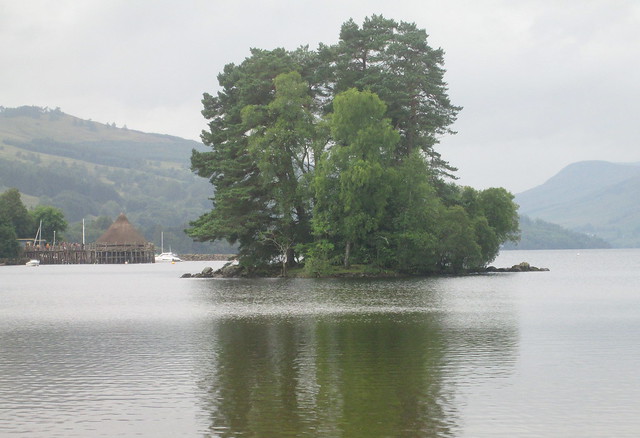
Crannog on Loch Tay

It’s such a scenic area, the River Tay runs out of Loch Tay here. We intended to visit the reconstructed crannog in the loch, but didn’t think that would take very long. As it turned out we were there for getting on for two hours and I highly recommend visiting The Scottish Crannog Centre. Rachael gave a very interesting talk and is an archaeologist so she should know what she’s talking about.

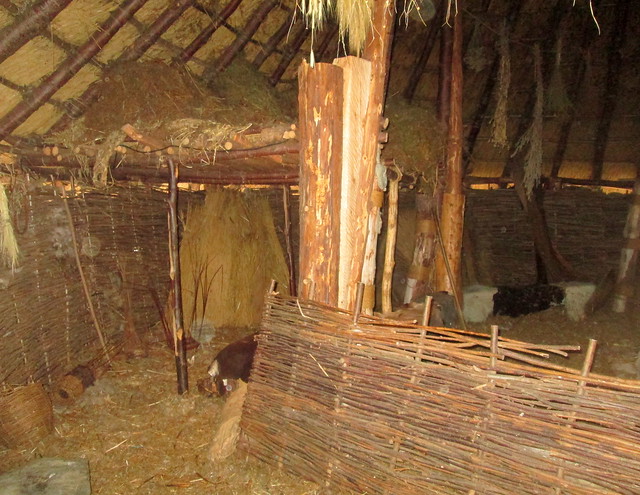
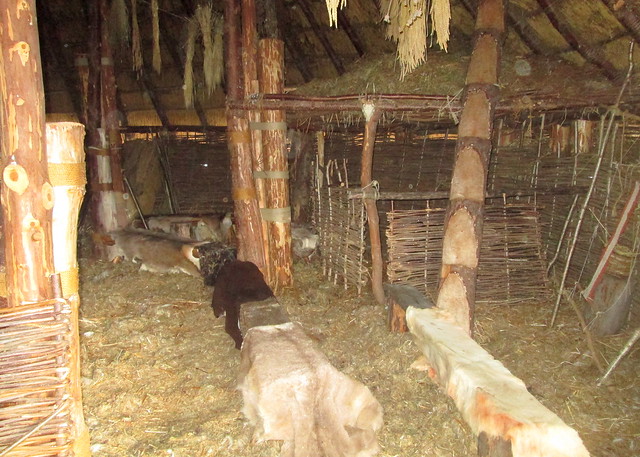
Crannogs were living quarters that were built by the inhabitants of Scotland 2,500 years ago. They were built on tree trunk stilts above the loch with a split log walkway leading out to the crannog. It’s like a very heavy duty yurt I suppose and is really very comfy and cosy inside. They would have had a fire in the middle of the structure so it would have been a bit smoky and their sheep were also in a fenced off area within it so it was probably a bit smelly, but on the upside – the midges apparently don’t bother you there.
Crannog Kenmore

We were told exactly how they went about building crannogs, cutting trees with bronze axes and forming a point at one end to help get it positioned in the bottom of the loch. When the log stilts were driven in in a circle they then made a platform floor making one large circular room and then sectioned parts of that off.
Crannog at Kenmore

One extended family would have lived there, possibly as many as 15 people (and the sheep). Nowadays the only permanent inhabitants were two families of swallows who dived in and out as our guide talked to us.
Crannog swallow

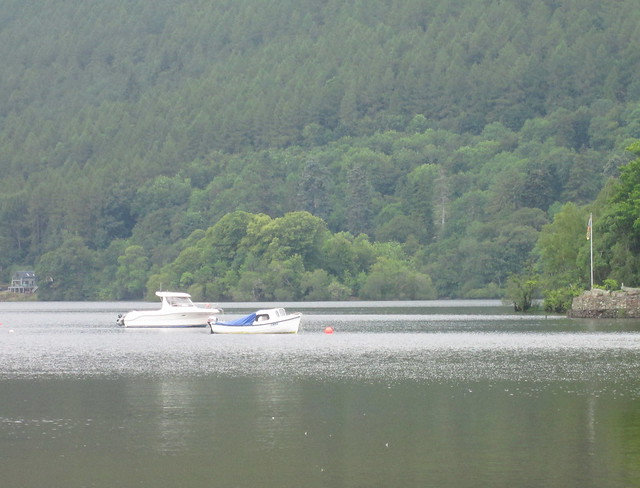
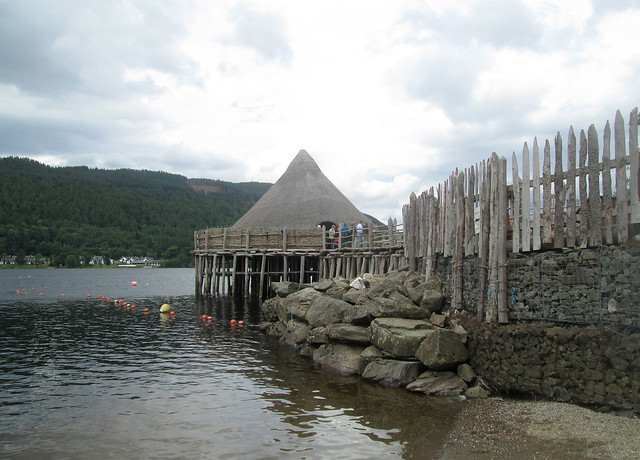
The museum part of the centre has lots of artefacts that were found when some of the eighteen known crannogs that were on the loch were excavated. Tools and pottery, jewellery, wooden bowls and even some tweedy fabric has survived. The crannog dwellers could refurbish their homes for years, replacing rotten wood with new logs, but eventually there came a time when there was no space to put new supports and then the whole thing would collapse into the loch, which eventually became a small island as trees and plants germinated there. In fact you can see two small crannog islands from the reconstructed one. One had a abbey built on it in the 11th century. It’s situated just behind those boats and blends into the trees on surrounding hills, but it is an island.

Crannog on Loch Tay Kenmore 1
Crannog on Loch Tay Kenmore 2

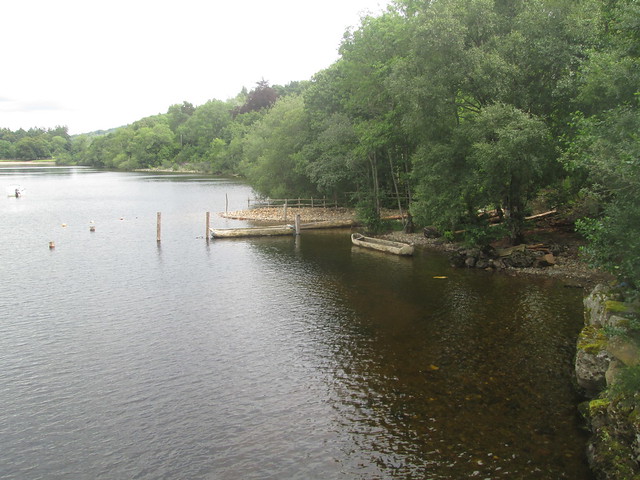
They’ve also hollowed out some trees to make authentic log boats like the ones that were used by the crannog dwellers.
crannog log boats
After the talk in the crannog we walked back onto land and were given demonstrations on fire-making, wood-turning and spinning. I had a wee shot at the spinning, I think I could get into making and dyeing my own wool!

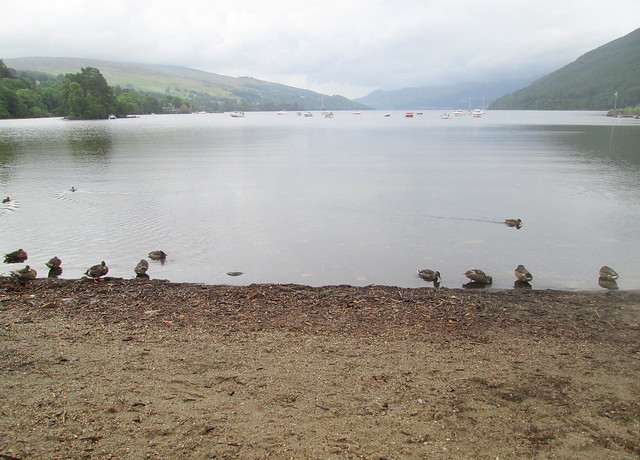
After that we had a tasty dinner at the Kenmore Hotel which is apparently the oldest inn in Scotland. Sadly by then what had been a beautiful blue sky day had turned into a grey damp one, but that didn’t stop us from walking along the beach below and then driving on to a few more villages in that area before going home.

Crannog and Loch Tay from Kenmore 1

That was a great way to celebrate our wedding anniversary.

Soot by Andrew Martin

Soot cover

I decided to read Soot by Andrew Martin because Helen at She Reads Novels enjoyed it so much. You can read what she thought of it here. Helen’s review is much more detailed than my usual sketchy thoughts.

The setting is York 1799 and it’s a murder mystery. Matthew Harvey a well known silhouette artist has been found dead, he has been stabbed by the special scissors that he uses to cut the ‘shades’. It’s thought that the culprit must be one of his clients on that last day and the victim’s son employs Fletcher Rigge to investigate the murder. Rigge has been living in the debtors’ prison in York Castle since his father’s death, he had left nothing but debts after losing the family estate in a gambling session. Fletcher Rigge knows that he is likely to end up back in the prison if he can’t get to the bottom of the mystery

The story is told by various characters through diaries, letters and his investigations bring Rigge into contact with the theatre and bookshops in York and it’s all very atmospheric. The only slight gripe I have with the book is that there is no map of York. Although I know the city I don’t know it well enough to be able to follow Fletcher Rigge on his travels around it in my head. This is the first book I’ve read by Andrew Martin and I’ll definitely be trying some others.

Garden update – late July

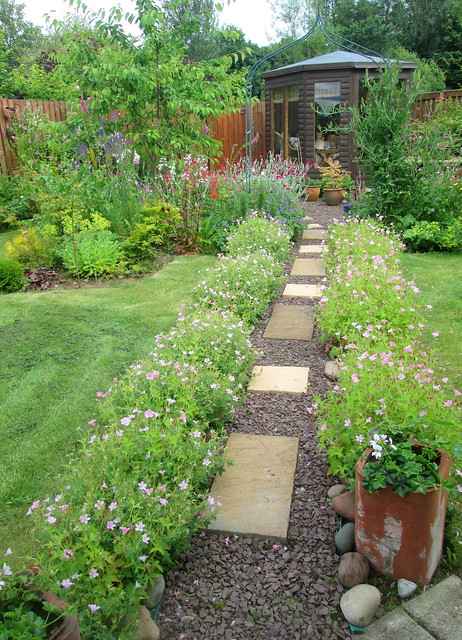
garden path

Not long after I took the above photo of the back garden path I had to give the geraniums a right good chop back as they were in danger of engulfing the path. I do hate cutting back but it means I’ll get another flush of flowers and they’ll still be going strong in October.

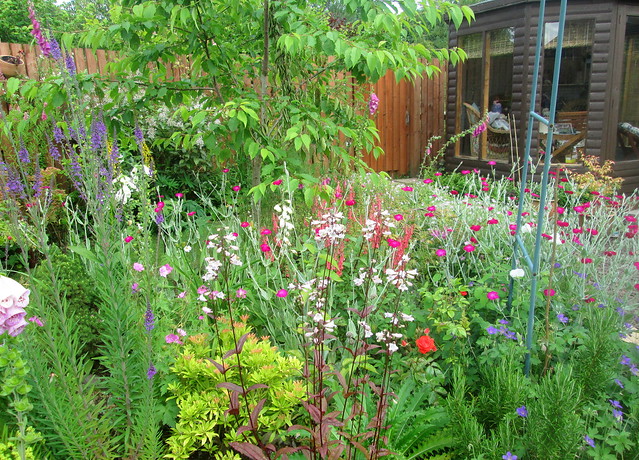
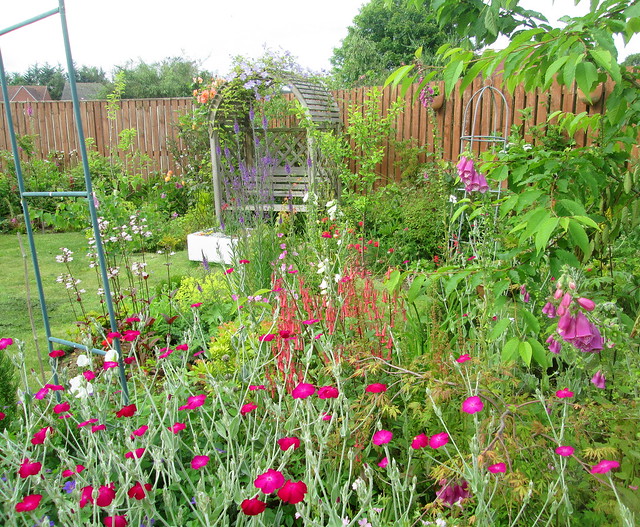
You can just see the left hand side of the metal archway and although I’ve planted a supposedly climbing rose there, it remains bare, that rose seems to have no intention of climbing. The other side of the archway has far too many things covering it, including a lathyrus/everlasting sweet pea which is an absolute thug and is climbing everywhere.

Below there is that disappointing (so far) red rose, pieris, foxglove, lychnis, geraniums, physigelia and various others.
back garden flowers

In the photo below you can see my recent garden purchase – a Belfast sink! I had to laugh when I heard someone on a gardening programme saying recently that in his childhood every garden seemed to have a Belfast sink in it! Mine still has and I had a hard time tracking this one down, I had one in the old garden but had to leave it behind as the house purchasers wanted everything in the garden – grr!
back garden flowers

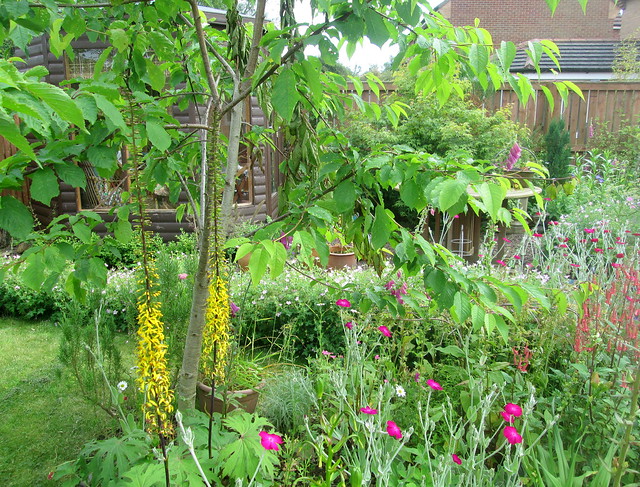
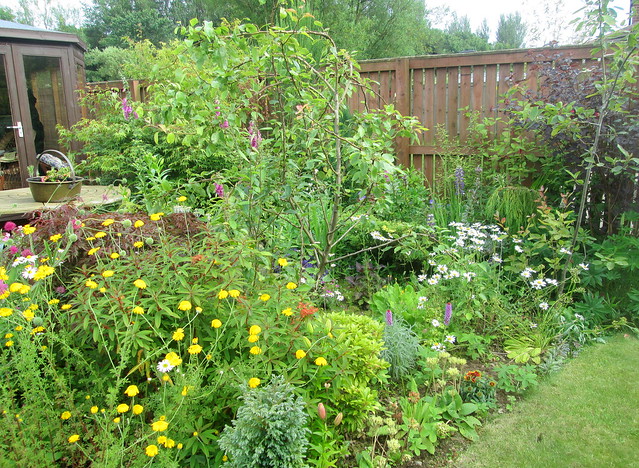
The cherry tree in the photo below is growing like crazy, but I only had a few flowers on it in the spring. It has been in for three years now so I hope it gives a better account of itself next year.
back back garden flowers V garden flowers
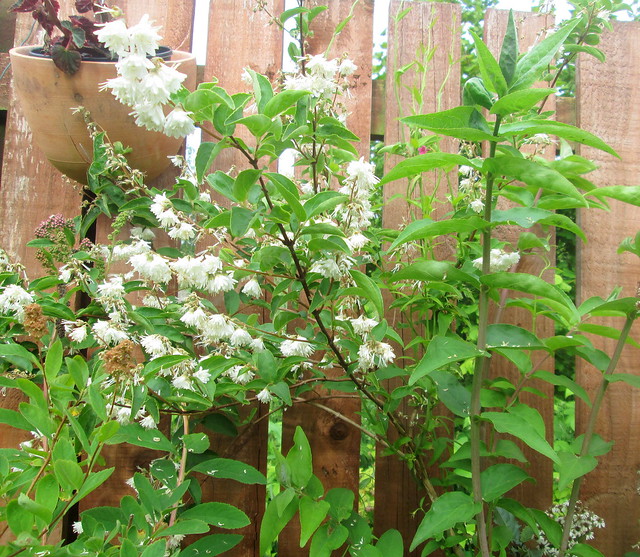
Below is a Philadelphus which isn’t giving off as much scent as I had hoped it would. I think a different variety might have been better, it’s my own fault for not waiting and buying one when it was already in flower.
Philadelphus

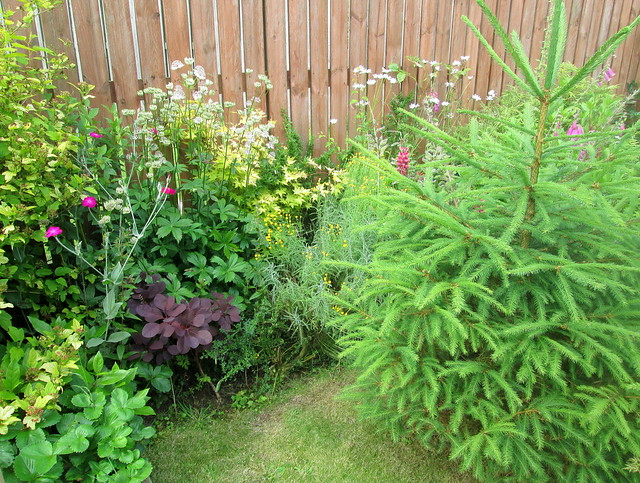
The Christmas tree in the photo below was one that was left in a pot by the front door when we moved in here, it was looking very sorry for itself, but as you can see, setting him free in the soil has really cheered him up. There is also a cotinus, cotton lavender and astrantia in the photo.
back garden flowers

There’s a dwarf Japanese maple, euphorbia Fireglow, primula Viallii and a lot more in the photo below.
back garden flowers

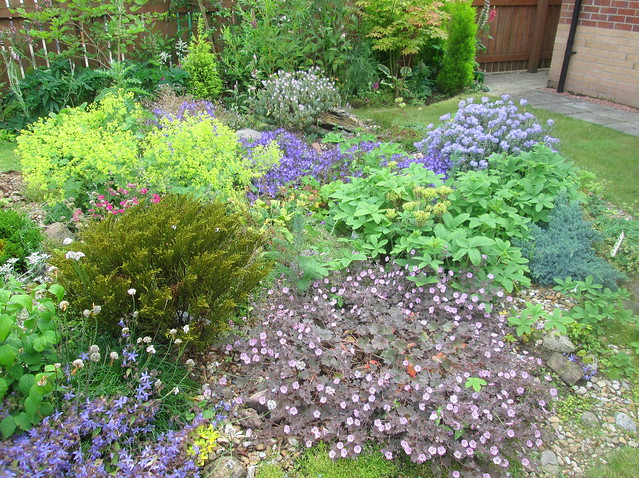
The so called rockery in the photo below has gone a wee bit crazy this year and most of the rocks in it have been hidden by the plant growth, I blame all the rain we’ve had. I have to do some serious weeding soon, that ajuga I planted there is on a bid to take over the whole area. I don’t think you can actually see it in the photo although it’s hard to avoid as it is taking up half of the rockery I could shoot myself for planting it!
back garden flowers

That was the back garden at the back end of July. I’m quite pleased with it considering this is only its third year and there was only one teeny tree in it and a sea of grass when we moved in.

Skaill House, Orkney

Skaill House

Skaill House is just a stone’s throw from Skara Brae on Orkney, in fact it was the owner of the house who discovered Skara Brae on the beach after tons of sand had been blown off the settlement during a huge storm in 1850. If you buy a ticket for Skara Brae it also gives you access to the house. It’s apparently Orkney’s finest 17th century mansion, it’s certainly very homely for such a grand house.

Skaill House

The dining room is just a nice size, it would be very cosy I think. The dinner service on display in the built in dresser belonged to Captain Cook, it was on one of his ships and he gifted it to the then owner of the house. It’s very fancy, I had imagined that anything onboard would have been much more utilitarian.

Skaill House  dinner Service

The library is great with lots of 1930s-1970s book club favourites as well as older no doubt rarer books.

Skaill House  Library

Skaill House  Library

I took a lot more photos but that’ll do for now. I really enjoyed going around Skaill House but according to some comments I’ve seen it seems that not everyone has been all that enamoured of the house and only went to see it because the ticket was included in the price of the Skara Brae one. They even thought that having Captain Cook’s dinner service on display was ‘scraping the barrel’. Honestly – some people just live to moan about things online!
Affairs at Hampden Ferrers by Brian Aldiss

Affairs at Hampden Ferrers cover

Affairs at Hampden Ferrers by Brian Aldiss has been enticing me to read it for ages, it had been at the top of a pile of Jack’s TBR books, and I got to it before he did. Brian Aldiss is mainly a science fiction writer, not my favourite genre, but I was charmed by the book cover, not always a good thing.

I think I would give this book three stars. At times it really reminded me of a sort of updated Barbara Pym. The setting is the same as many of her books, a village near Oxford, Hampden Ferrers and it’s about the lives of its inhabitants as you would expect. There are love affairs and just relationships, the stuff of any small settlement, but every now and again it gets very weird. Almost like a few of the inhabitants are on drugs, but in the case of the vicar, is he having a vision? – unlikely as he is seeing an angel in an old tee shirt. Not really my cup of tea. I still like the cover though.

Stromness, Orkney, Scotland

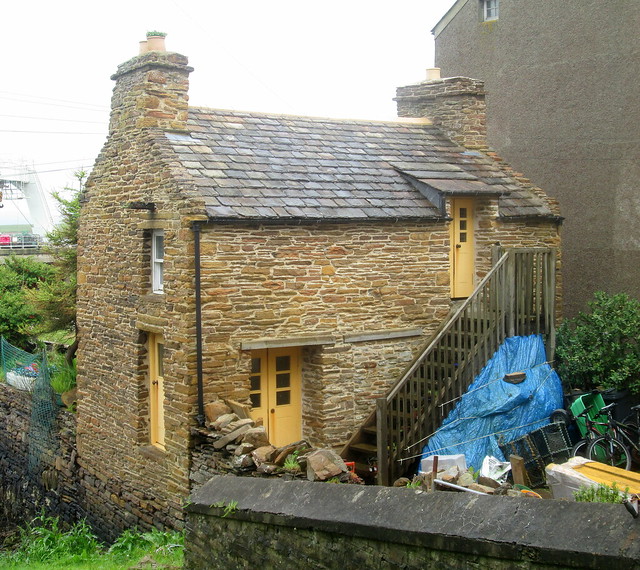
I liked this really quaint looking house in Stromness.
quaint house

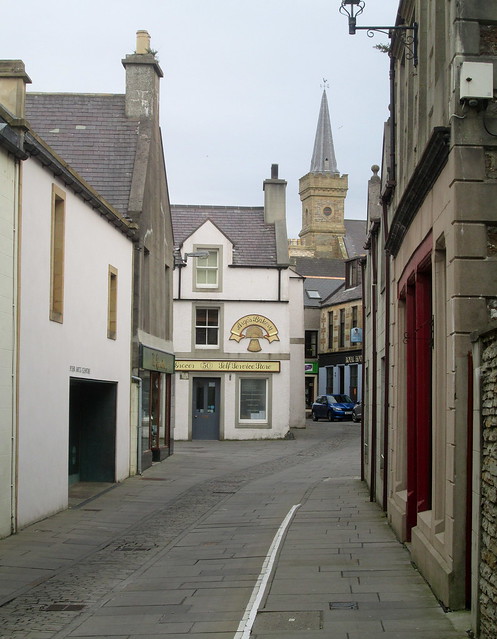
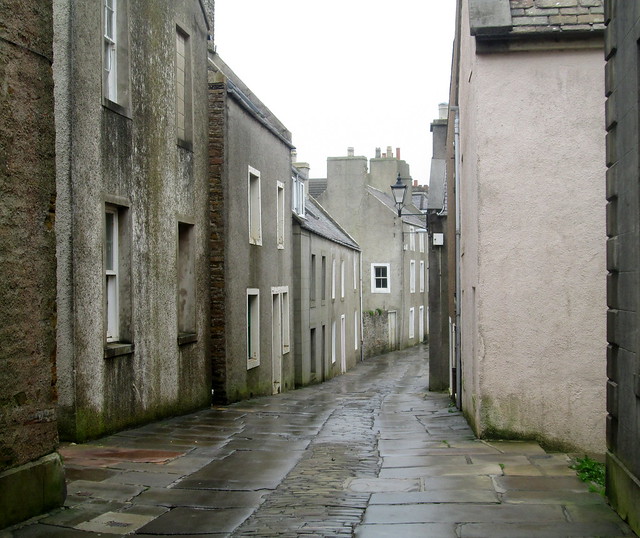
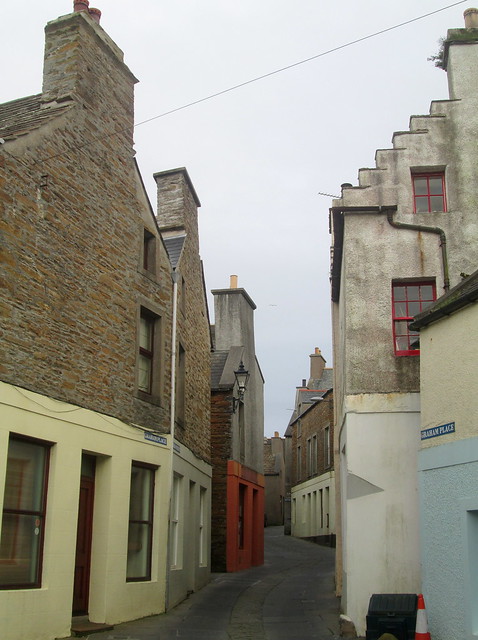
Stromness is a really small town with just one very narrow street of shops strung along the edge of it, and as you can see it’s very narrow, you have to press yourself to the wall whenever a car goes past – which is often, and sometimes you even have to dive into a doorway if it’s a big vehicle. We were never brave enough to actually drive along this street – not wishing to kill anyone!

Stromness Street , High Street

Stromness street

Stromness, High Street

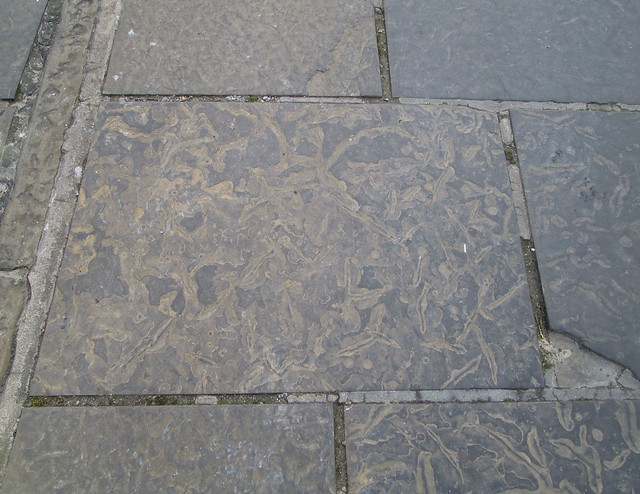
The pavements/road surfaces are interesting though, there seem to be fossils embedded in a lot of them.

fossil paving , Stromness, Orkney

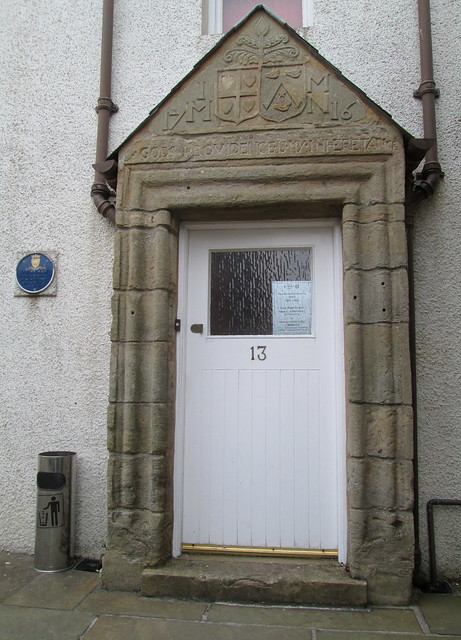
This very old doorway is just off the High Street .

Carved doorway

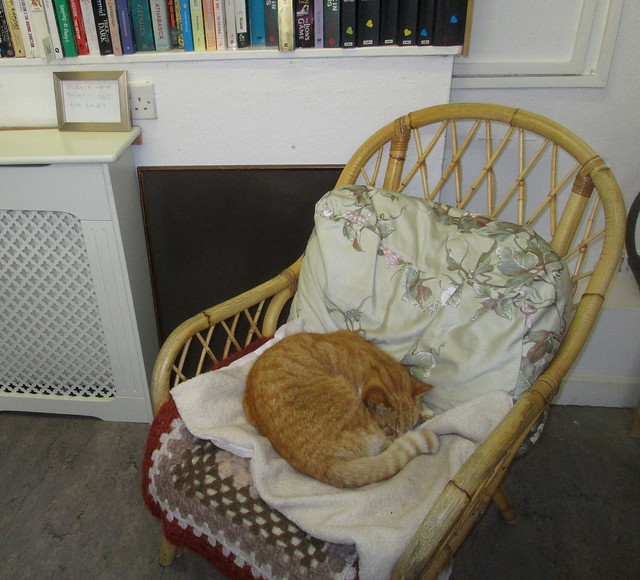
Stromness like every other High Street in the UK has at least one charity shop, it’s a cat charity and Moxy the cat is apparently NOT FOR SALE.

Moxy the cat in charity shop

There are some cracking photos of Stromness online, you can see them here.

The Kitchener Memorial and Marwick Head, Orkney

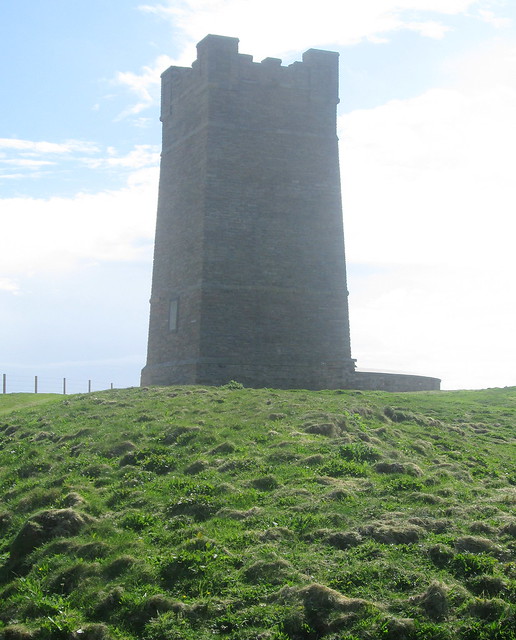
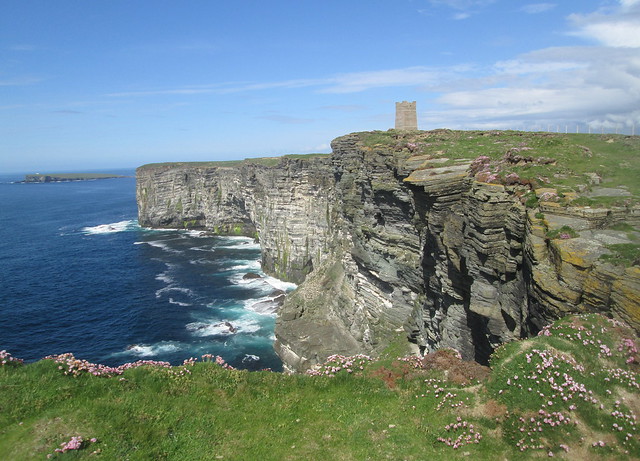
We were just driving along a very skinny road when we noticed a signpost saying Kitchener Memorial at Marwick Head, Orkney. Obviously we knew that Kitchener had drowned not long after the beginning of World War 1 when the ship he was on, HMS Hampshire, hit a German mine, but we had no idea it happened just off Marwick Head. This massive tower was built in his memory.

Kitchener Memorial from path

A view of the Kitchener Memorial at Marwick Head, Orkney.

Kitchener Memorial at Marwick Head on Orkney

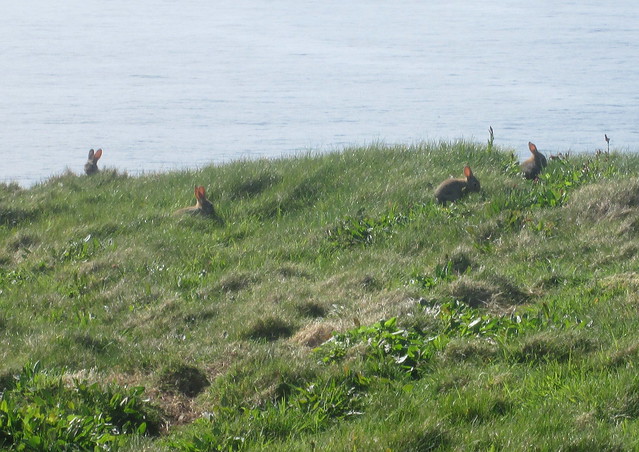
Marwick Head is absolutely awash with rabbits as you can see, they aren’t at all bothered by humans it seems.

Rabbits

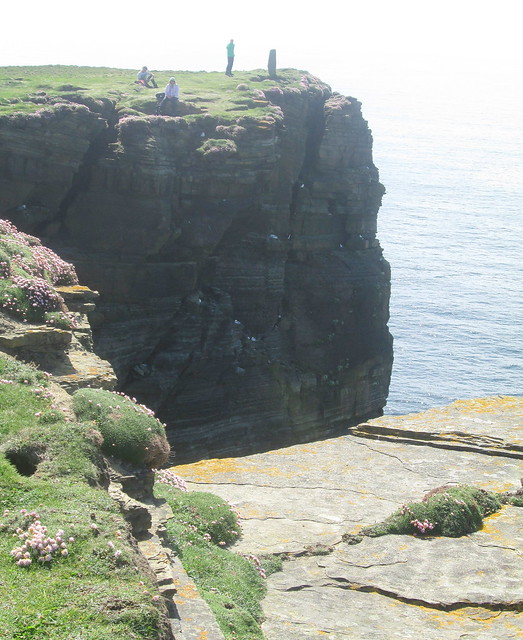
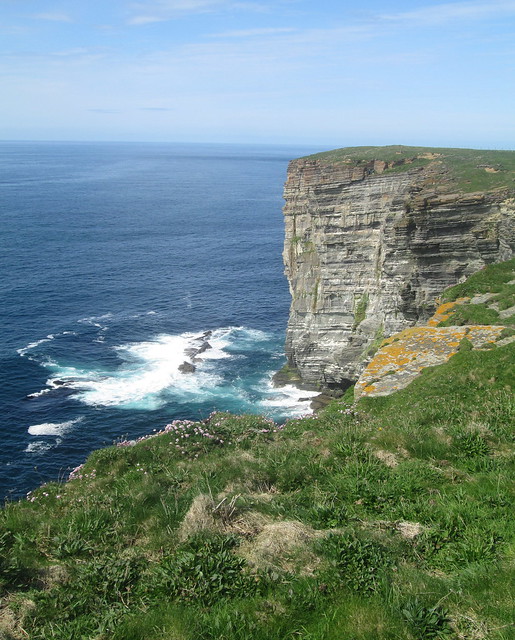
It’s a long way down and it was windy so I wasn’t going to go too close to the edge, some people are thrill seekers though.

More Cliff at Marwick Head, Orkney

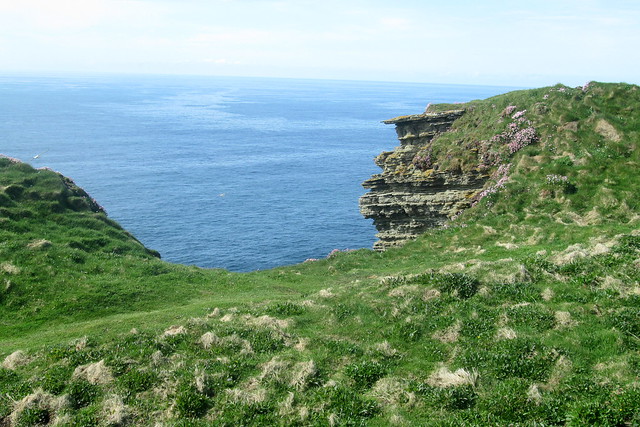
It’s a beautiful area and there’s a lovely cliff path if you fancy a long walk. If you click on the photos you can zoom in to enlarge them.

Marwick Head, Orkney

If you are looking for more travel information about Orkney you might want to visit My Voyage Scotland here.

Caught in the Revolution by Helen Rappaport

Caught in the Revolution cover

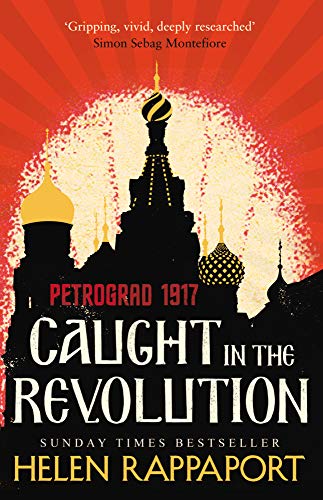
Caught in the Revolution – Petrograd 1917 by Helen Rappaport was published in 2016, is non-fiction accounts of what people witnessed in Petrograd in the run up to the Russian Revolution. This is a subject that I’ve been interested in since ‘doing’ it in second year at Secondary School, so I knew all about the political details but this book focuses on what was happening out in the streets, how events were affecting ordinary people.

It seems that Petrograd was full of foreigners so there were plenty of people writing of their experiences in a chaotic environment. At the beginning the Tsar is still in power and the people (particularly the women) are having to spend hours every day in queues just to get some basic foodstuffs – if they are lucky.

There seemed to be an awful lot of foreigners in Petrograd, including Arthur Ransome of Swallows and Amazons fame although this is before he wrote those books, he was a reporter for the Daily News and Observer. The writer Hugh Walpole was reporting on events for the British Foreign Office, there were lots of people writing diaries, so I found this book to be a really interesting read.

There were plenty of British and American manufacturers there such as a Singer sewing machine factory, Thorntons woollen mill and Coats of Paisley threads company. The revolutionaries encouraged the workers to demand exorbitant wages for a much shorter working week. Basically everybody gave up working and everywhere was filthy.

Sadly of course after the Bolsheviks took over things got even worse for the ordinary people and food was even more scarce than before. Although I’ve read a lot about this period I don’t think I had realised before what an evil swine Lenin was – but he was a clever one.

The Tsar doesn’t really feature much in the book, but as ever I just wanted to grab him and talk some sense into him, but better people than me tried, such as the British Ambassador Sir George Buchanan. I find it bizarre that considering Tsar Nicholas was so close to the British royal family, and his cousin King George V in particular – he just couldn’t contemplate changing the Russian Imperial system to something similar to the British.

Other well known people who were eye witnesses were Somerset Maugham and Emmeline Pankhurst. Maugham’s experiences formed the basis for his Ashenden collection of short stories which were published in 1928.

There were quite a lot of newspaper photographers in Petrograd at this time but there are frustratingly few photos surviving. There are some in this book but nothing of great interest, the book is a great read otherwise.

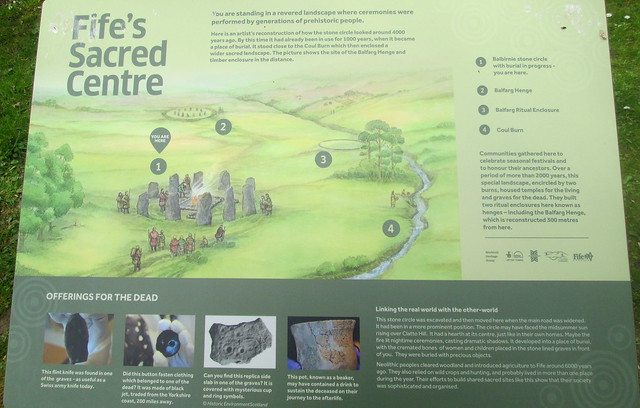
Balbirnie Stone Circle, Fife, Scotland

Balbirnie Stones board

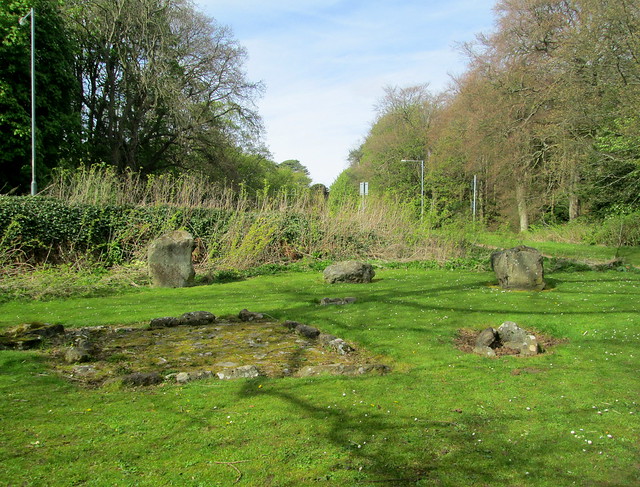
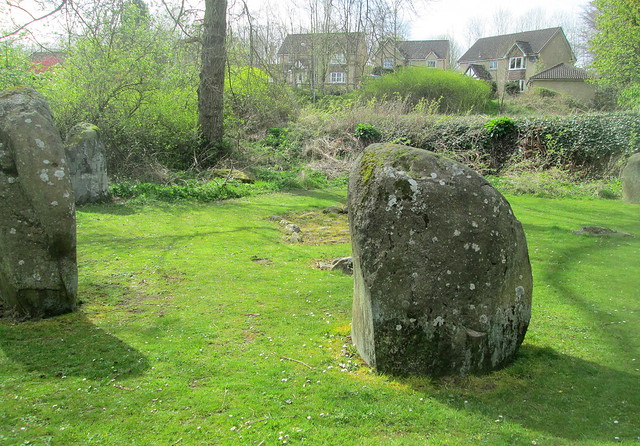
After visiting so many Neolithic standing stones and cairns when we were in Orkney I thought it was about time I did another short blogpost about the local ones near me in Fife, the Balbirnie Stone Circle.

Balbirnie Stones

I did blog about them donkey’s years ago and of course they don’t change although they now have a new and legible information board. There was evidence of 16 cremation burials as well as a flint knife, a jet button and beads and a complete food container when the area was excavated.

Balbirnie Stones

The powers that be decided to move this stone circle when a nearby road was being upgraded – which is truly sacrilegious, but at least they re-arranged them as they had been originally. They are now 125 metres to the south-east of their original location.

Balbirnie Standing Stones 3

There’s a burn nearby and I presume that that is why people settled in this area over 2,000 years BC. I must admit that I like to think of families living and working here all those years ago.